Why Your Hair Might Be Trying to Warn You About Health
Hair changes are more than just cosmetic—they can signal underlying health issues. Thinning, dryness, or sudden shedding may reflect nutrient deficiencies, hormonal shifts, or stress. As a professional in dermatology, I’ve seen patients overlook these early signs. Recognizing them early allows for timely intervention. This article explores how hair acts as a health barometer, what to watch for, and when to seek expert advice—because your scalp might be telling you something important.
The Silent Messenger: How Hair Reflects Inner Health
Hair is often viewed as a reflection of beauty or personal style, but in clinical practice, it serves a deeper purpose. It functions as a biological archive, capturing traces of internal physiological processes over time. The structure and growth cycle of hair are closely tied to the body’s overall metabolic and hormonal balance. When systems within the body experience disruption—whether due to nutritional gaps, endocrine fluctuations, or immune responses—these imbalances can manifest visibly in the hair. Dermatologists have long recognized that sudden or unexplained changes in hair texture, density, or growth patterns may precede more obvious systemic symptoms.
The hair growth cycle consists of three primary phases: anagen (growth), catagen (transition), and telogen (resting). Under normal conditions, about 90% of scalp hair is in the anagen phase, growing steadily for two to six years, while the remainder rests or prepares to shed. However, when the body undergoes stress—be it physical, emotional, or metabolic—this cycle can be disrupted. A condition known as telogen effluvium occurs when a significant number of hair follicles shift prematurely into the resting phase, leading to noticeable shedding two to three months later. This delay often means patients do not immediately connect the hair loss with an earlier trigger such as surgery, illness, or extreme dieting.
Moreover, hair is composed primarily of keratin, a protein synthesized from amino acids derived from dietary intake. Therefore, any deficiency in essential nutrients—particularly protein, iron, zinc, or certain B vitamins—can compromise hair integrity. For example, low serum ferritin levels, even in the absence of full-blown anemia, have been associated with diffuse hair thinning in women. This makes hair a sensitive indicator of subclinical nutritional deficits. Because hair grows slowly—approximately half an inch per month—it provides a timeline of health status over several months, allowing clinicians to trace changes back to potential triggers.
Additionally, hormonal imbalances such as those seen in thyroid disorders directly influence hair follicle activity. Both hypothyroidism and hyperthyroidism can lead to dry, brittle hair and increased shedding. Similarly, fluctuations in androgens, though commonly linked to genetic hair loss, can also signal broader endocrine issues when occurring unexpectedly. These connections underscore why dermatologists do not treat hair concerns in isolation but consider them within the context of a patient’s full medical history, lifestyle, and laboratory findings.
Common Hair Changes and What They Might Mean
Not all hair changes are cause for concern, but certain patterns warrant closer attention. Diffuse thinning across the scalp, particularly in women, is one of the most frequently observed signs that may point to an underlying health issue. While age-related hair thinning is common, sudden or accelerated loss should not be dismissed as normal aging. One well-documented association is between iron deficiency and hair shedding. Iron plays a crucial role in DNA synthesis and cell proliferation, both vital for hair follicle regeneration. Studies have shown that low ferritin levels—below 30 ng/mL—are often present in individuals experiencing unexplained hair loss, even when hemoglobin levels remain within the normal range.
Brittle, dry, or easily breakable hair may indicate deficiencies in essential fatty acids, protein, or vitamins such as biotin or vitamin D. However, it is important to note that while biotin deficiency is often blamed for poor hair health, true deficiency is rare and typically occurs only in specific medical conditions or with prolonged antibiotic use. More commonly, dryness results from inadequate dietary fat intake, dehydration, or excessive chemical processing. In some cases, brittle hair can also be linked to thyroid dysfunction, particularly hypothyroidism, where reduced metabolic activity affects sebum production and hair shaft strength.
Another notable pattern is hair loss in circular patches, known as alopecia areata. This autoimmune condition involves the immune system mistakenly attacking hair follicles, leading to sudden, well-defined areas of baldness. While the exact cause remains unclear, it is often associated with other autoimmune disorders such as thyroid disease or type 1 diabetes. Stress is considered a potential trigger, though not the root cause. Unlike genetic hair loss, which progresses gradually, alopecia areata can appear rapidly and may resolve spontaneously or require medical treatment.
Changes in hair texture, such as hair becoming finer or losing its natural curl, have also been observed in individuals with undiagnosed thyroid conditions. Patients with hypothyroidism often report that their hair feels coarse and dry, while those with hyperthyroidism may notice increased oiliness and thinning. These shifts are not merely cosmetic; they reflect altered metabolic rates and hormone levels that affect every cell in the body, including those responsible for hair production. Recognizing these subtle transformations can prompt earlier evaluation and diagnosis.
When to Pay Attention: Identifying Red Flags
Given that everyone sheds hair daily—typically 50 to 100 strands—it is essential to distinguish between normal turnover and concerning loss. A key red flag is a noticeable increase in shedding that persists for more than three months. Temporary shedding after childbirth, illness, or intense stress is common and usually resolves on its own. However, if hair continues to fall out at an elevated rate, or if new hair fails to regrow, it may indicate an ongoing underlying issue that requires medical assessment.
Another warning sign is the appearance of bald patches, especially if they expand or multiply over time. While alopecia areata can sometimes resolve without treatment, progressive or widespread forms may necessitate intervention. Similarly, scarring alopecia—characterized by inflammation, redness, or scaling on the scalp—requires prompt diagnosis, as it can permanently destroy hair follicles. Unlike non-scarring types, where follicles remain intact and regrowth is possible, scarring alopecia leads to irreversible hair loss if not addressed early.
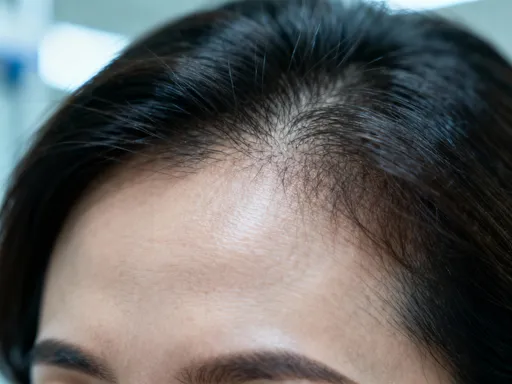
Changes in scalp condition should also not be ignored. Persistent itching, flaking, or tenderness may point to dermatological conditions such as seborrheic dermatitis, psoriasis, or fungal infections. These issues can contribute to hair breakage or secondary shedding. In some cases, scalp inflammation may be linked to systemic inflammation, suggesting broader health imbalances. Women who notice a widening part or visible thinning at the crown—especially if it worsens over several months—should consider evaluation for female pattern hair loss, which can be associated with hormonal changes, including those related to menopause.
Additionally, sudden graying or premature whitening of hair before age 30 may be linked to genetic factors, but in some instances, it has been associated with autoimmune conditions or nutritional deficiencies such as vitamin B12 or copper. While not always a sign of illness, when accompanied by other symptoms like fatigue, weight changes, or skin problems, it may warrant further investigation. The key is recognizing patterns: isolated symptoms may be benign, but clusters of changes increase the likelihood of an underlying condition.
The Science Behind Early Detection Through Hair
Scientific research has increasingly validated the use of hair as a biomarker for internal health. Unlike blood tests, which provide a snapshot of current levels, hair analysis can offer a retrospective view of mineral and toxin exposure over several months. While controversial in some alternative medicine circles, standardized hair mineral analysis—when used alongside clinical evaluation—can help identify deficiencies or excesses in elements such as zinc, selenium, or heavy metals like lead or mercury. These imbalances can interfere with enzymatic processes essential for hair growth and overall cellular function.
Hormonal fluctuations also leave measurable traces in hair. Cortisol, the primary stress hormone, can be quantified in hair strands, providing an objective measure of long-term stress exposure. Elevated hair cortisol levels have been linked to chronic stress, sleep disturbances, and even cardiovascular risk factors. This method offers a more stable assessment than saliva or blood tests, which fluctuate throughout the day. For individuals reporting high stress and concurrent hair loss, this measurement can validate their experience and guide targeted interventions.
Nutritional status is another area where hair provides valuable insights. Deficiencies in key nutrients like iron, vitamin D, or essential amino acids can alter the structural composition of hair, making it more prone to breakage or shedding. Laboratory studies have demonstrated that hair shaft diameter decreases in states of malnutrition, and recovery is often visible as new, healthier growth emerges following nutritional correction. This delayed response underscores the importance of early detection—by the time hair changes are noticeable, the deficiency may have been present for months.
Furthermore, certain medications and medical treatments can be detected in hair, allowing clinicians to monitor adherence or assess side effects. For example, chemotherapy agents are known to cause rapid hair loss due to their effect on rapidly dividing cells, including those in hair follicles. While this is an expected side effect, monitoring hair regrowth post-treatment can serve as an indicator of recovery and overall tissue regeneration. In research settings, hair analysis is being explored as a tool for monitoring metabolic health, offering a non-invasive way to track long-term wellness trends.
Professional Assessment: What Dermatologists Look For
When a patient presents with hair concerns, a dermatologist conducts a comprehensive evaluation that goes beyond surface observation. The first step is a detailed medical history, including recent illnesses, surgeries, medication use, dietary habits, and emotional stressors. Timing is critical: knowing when the hair change began helps determine whether it aligns with a specific trigger. For example, shedding that starts three months after a viral infection may point to telogen effluvium, whereas gradual thinning over years suggests a genetic or hormonal pattern.
A physical examination includes a scalp assessment using magnification tools such as a dermatoscope. This allows the clinician to examine hair density, follicular openings, and signs of inflammation or scarring. The pull test is another standard procedure: the doctor gently tugs on small sections of hair from different areas of the scalp. If more than six hairs come out easily, it indicates active shedding. This test helps differentiate between normal shedding and pathological loss.
Blood tests are often ordered to rule out systemic causes. Common labs include a complete blood count (CBC), iron studies (ferritin, serum iron, total iron-binding capacity), thyroid function tests (TSH, free T4), vitamin D, and sometimes zinc or hormonal panels. These results are interpreted in conjunction with clinical findings. For instance, a low ferritin level combined with diffuse thinning supports iron deficiency as a contributing factor, even if the patient does not feel fatigued or anemic.
Trichoscopy, a specialized imaging technique, enables high-resolution visualization of the scalp and hair follicles. It can detect subtle patterns that distinguish between types of hair loss—for example, the presence of exclamation mark hairs in alopecia areata or reduced hair diameter variability in androgenetic alopecia. This level of detail ensures accurate diagnosis and prevents misclassification, which is crucial because treatment strategies differ significantly depending on the cause. Self-diagnosis or over-the-counter remedies may delay proper care, especially when medical conditions are involved.
Supportive Care: Lifestyle and Nutritional Foundations
While medical intervention is necessary for diagnosed conditions, supportive lifestyle practices play a vital role in maintaining hair health. Nutrition is foundational: a balanced diet rich in high-quality protein, healthy fats, and a variety of fruits and vegetables provides the building blocks for strong hair. Foods such as eggs, lean meats, legumes, nuts, seeds, leafy greens, and fatty fish supply essential nutrients like iron, zinc, omega-3 fatty acids, and B vitamins—all of which support hair structure and growth.
Hydration is equally important. Water facilitates nutrient transport and cellular metabolism, including in hair follicles. Chronic dehydration can contribute to dry, brittle hair and a flaky scalp. Encouraging consistent fluid intake throughout the day supports overall tissue health. Sleep is another critical factor; during deep sleep, the body undergoes repair and regeneration, including hair follicle cycling. Disrupted or insufficient sleep may prolong the telogen phase and delay recovery from shedding episodes.
Stress management is perhaps one of the most impactful yet overlooked aspects of hair care. Chronic stress elevates cortisol levels, which can disrupt hormone balance and impair nutrient absorption. Mindfulness practices, regular physical activity, and structured routines can help regulate the stress response. Activities such as walking, yoga, or journaling have been shown to reduce perceived stress and improve emotional well-being, indirectly supporting hair health.
It is important to emphasize that while supplements are widely marketed for hair growth, they are not universally beneficial. Only individuals with confirmed deficiencies should consider supplementation, and this should be done under medical supervision. Excessive intake of certain nutrients, such as selenium or vitamin A, can actually cause hair loss. Therefore, the focus should remain on whole foods and balanced nutrition rather than quick fixes. Gentle hair care practices—such as avoiding tight hairstyles, minimizing heat styling, and using mild shampoos—also help prevent unnecessary damage.
From Observation to Action: Building a Proactive Health Mindset
Hair health is not an isolated concern but a window into overall well-being. By paying attention to changes in hair texture, density, or growth patterns, individuals can gain early insights into their internal health. Rather than waiting for symptoms to worsen, routine self-checks—such as noticing how much hair is left on the brush or observing the scalp in good lighting—can serve as simple yet effective monitoring tools. These observations, when combined with awareness of energy levels, mood, and other bodily changes, create a more complete picture of health.
Adopting a proactive mindset means viewing hair not just as a cosmetic feature but as part of a broader health narrative. When changes occur, the appropriate response is not panic but informed action. This includes seeking professional evaluation when red flags appear, rather than relying on internet searches or unverified remedies. Collaboration with healthcare providers ensures that any underlying condition is properly diagnosed and managed.
Preventive care extends beyond hair—it encompasses nutrition, sleep, stress regulation, and regular medical check-ups. The habits that support healthy hair are the same ones that promote heart health, immune function, and emotional resilience. In this way, addressing hair concerns can become a catalyst for positive lifestyle changes. Small, consistent efforts—eating nourishing meals, managing stress, staying hydrated—accumulate over time to produce meaningful results.
In conclusion, hair is more than a style statement; it is a dynamic tissue that responds to the body’s internal environment. Its changes can serve as early warnings, prompting timely medical attention and lifestyle adjustments. By listening to what hair may be signaling, individuals can take empowered steps toward better health. Because sometimes, the most important messages are the ones we see every day in the mirror.