How I Turned My Debt Crisis Around and Boosted My Returns
I used to lie awake staring at the ceiling, stressed about payments, interest piling up, and no clear way out. I felt trapped in a cycle I couldn’t break—until I changed how I looked at debt and returns. This isn’t a get-rich-quick scheme; it’s a real strategy I tested and lived. What if managing debt wasn’t just about survival, but a smart path to better financial returns? Let me walk you through what actually worked. It started with one decision: to stop reacting and start planning. That shift didn’t erase my balances overnight, but it gave me control. And from control came confidence. From confidence came progress. This is the journey from financial strain to strategic stability—one grounded in practical steps, not promises.
The Breaking Point: When Debt Stops Being Manageable
There’s a moment when debt stops being a background worry and becomes a daily weight. For many, it arrives quietly—first with a late fee, then a declined card, then a call from a creditor. That was my reality. I had multiple credit cards, a car loan, and a personal loan from a bank, all with varying interest rates and due dates. Each month, I paid the minimums, believing I was staying afloat. But the balances weren’t shrinking—they were growing. The average interest rate across my accounts was around 18%, meaning nearly one-fifth of every dollar I paid was going to interest, not principal. Over time, I realized I was spending more on borrowing than on discretionary items like dining or travel.
The emotional toll was just as heavy. I avoided checking my accounts. I felt shame when friends talked about vacations or home upgrades. I started making excuses, withdrawing from conversations that touched money. This isolation made it harder to seek help. Financial stress began to affect my sleep, my focus at work, and even my relationships. What I didn’t realize then was that this crisis wasn’t just about how much I owed—it was about how I was managing it. I was reacting, not acting. I was focused on short-term relief, not long-term results.
Research shows that financial stress affects mental health as much as physical illness, and the longer it persists, the more entrenched the habits become. The turning point came when I accepted that ignoring the problem wouldn’t make it disappear. In fact, inaction was making it worse. Every month without a clear plan meant more interest, more strain, and less flexibility. The realization wasn’t dramatic—it was quiet, almost ordinary. But it was powerful: I needed a system, not just willpower. That’s when I began to treat debt not as a moral failure, but as a solvable financial challenge.
Reframing Debt: From Burden to Strategic Liability
One of the most transformative shifts in my journey was changing how I viewed debt itself. I used to see all debt as bad—a sign of poor choices or lack of discipline. But through reading and consultation with a financial counselor, I learned that not all debt is created equal. The key difference lies in cost and purpose. High-interest debt, like credit card balances or payday loans, acts as a financial drain. It compounds quickly and offers no long-term benefit. Low-interest, purpose-driven debt—such as a fixed-rate mortgage or a student loan for a marketable skill—can be a tool for building value over time.
This distinction allowed me to reframe my approach. Instead of feeling defeated by the total number on my statements, I started analyzing each liability by its interest rate, payoff timeline, and impact on my cash flow. I categorized my debts into three groups: high-cost (above 15% APR), medium-cost (7–15% APR), and low-cost (below 7% APR). This simple classification helped me prioritize without emotion. I could see clearly that my credit card debt was the anchor holding me back, while my car loan, at 5.9% interest, was manageable and didn’t need immediate overpayment.
Reframing debt also meant recognizing its role in opportunity cost. Every dollar I sent toward high-interest debt was a dollar I couldn’t use to build savings or invest. But by eliminating the most expensive liabilities first, I freed up future income. That’s when I began to see debt reduction not just as a defensive move, but as a strategic investment. Paying off a 20% credit card is like earning a 20% risk-free return—something no stock or bond can reliably match. That perspective changed everything. It turned repayment from a chore into a high-yield financial decision.
The Cash Flow Fix: Reclaiming Control Over Your Finances
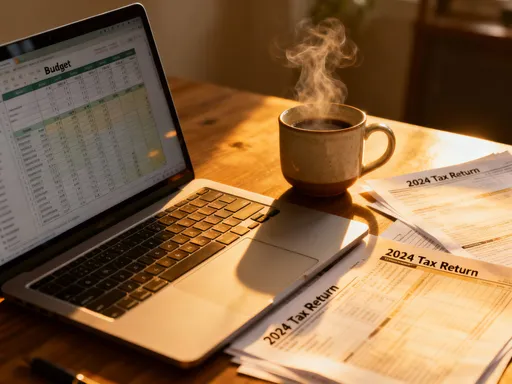
Once I had a clearer understanding of my debt, the next step was taking control of my cash flow. Without enough income directed toward repayment, even the best strategy would fail. I started by creating a detailed monthly budget, tracking every source of income and every expense for three full months. I used a simple spreadsheet, but digital tools like budgeting apps can serve the same purpose. The goal wasn’t perfection—it was awareness. What I discovered surprised me. Small, recurring expenses—subscriptions, convenience fees, impulse purchases—were adding up to over $300 a month. That was more than my car payment.
I didn’t eliminate all discretionary spending—that would have been unsustainable. Instead, I focused on optimizing. I canceled two streaming services I rarely used, switched to a lower mobile plan, and started meal planning to reduce takeout costs. I also negotiated my internet bill by calling customer retention and asking for a better rate, which saved $40 a month. These changes didn’t require sacrifice; they required attention. The reclaimed $400 per month became my debt acceleration fund.
Next, I aligned my payment timing with my pay schedule. I used to pay bills whenever they arrived, often spreading payments throughout the month. This led to cash shortages at critical times. I restructured by grouping non-urgent payments just after payday, ensuring I had enough liquidity for essentials. I also set up automatic transfers to a separate savings account on the same day I got paid—treating savings like a non-negotiable bill. This “pay yourself first” approach built a small emergency cushion, reducing the temptation to rely on credit for unexpected expenses.
Improving cash flow wasn’t about earning more—it was about directing what I already earned more effectively. Within six months, I had redirected over $2,400 toward debt without increasing my income. That money didn’t come from deprivation; it came from intentionality. And with each payment, my balances began to move in the right direction.
Prioritization That Actually Works: What to Pay First
With extra funds available, the next challenge was deciding where to apply them. I’d heard of the debt snowball method—paying off the smallest balances first for psychological wins—and the debt avalanche, which targets the highest interest rates. Both have merit, but I found that a hybrid approach worked best for me. I combined the logic of the avalanche with the motivation of the snowball, creating a strategy that was both efficient and sustainable.
I started by listing all my debts in order of interest rate, from highest to lowest. My top priority was a credit card with a 23.99% APR and a $4,200 balance. That card was costing me over $800 a year in interest alone. But instead of attacking it with everything, I also looked at a smaller medical bill of $650 at 12% interest. While the rate was lower, paying it off quickly would remove one line item from my monthly obligations and free up mental space. So I allocated 70% of my extra funds to the high-interest card and 30% to the smaller debt. Within two months, the medical bill was gone. That small win boosted my confidence and kept me engaged.
After that, I shifted 100% of my extra payments to the highest-rate debt. I also made biweekly payments instead of monthly ones, which resulted in one extra full payment per year. This simple timing adjustment reduced my payoff timeline by several months. As each debt was eliminated, I rolled the former payment amount into the next target. This “debt domino” effect created momentum. By the end of the first year, I had paid off three accounts totaling $7,800.
The key to effective prioritization is balancing math and behavior. The pure avalanche method saves the most money on interest, but if it feels too slow, people give up. The snowball method may cost more in interest, but the quick wins can sustain motivation. My approach respected both: I let the numbers guide my long-term plan, but I allowed small victories to fuel my consistency. That balance made the difference between starting strong and finishing strong.
Turning Savings into Returns: Smart Reinvestment After Relief
After 18 months, I reached a milestone: all high- and medium-interest debt was paid off. My monthly cash flow improved by over $900. At that point, the real opportunity began. Instead of letting that money blend into daily spending, I committed to reinvesting it wisely. My goal wasn’t high-risk speculation—it was steady, low-volatility growth that would protect and compound my gains.
I started by building a fully funded emergency reserve equal to six months of essential expenses. I placed this in a high-yield savings account, which at the time offered a 4.25% annual yield. Unlike a standard savings account, this vehicle provided meaningful interest while keeping funds fully accessible. That reserve wasn’t just a safety net—it was the foundation for future confidence. Knowing I could handle unexpected repairs or income gaps without debt removed a major source of anxiety.
Once the emergency fund was complete, I began allocating the $900 monthly surplus toward longer-term growth. I opened a diversified portfolio of low-cost index funds through a reputable brokerage platform. These funds tracked broad market indices like the S&P 500 and international markets, providing instant diversification. I chose a balanced allocation—60% in equities and 40% in bonds—based on my risk tolerance and time horizon. Historically, such a portfolio has returned an average of 6–7% annually over long periods, though past performance is not a guarantee of future results.
I set up automatic monthly contributions and reinvested all dividends. This “set-and-forget” approach minimized emotional decision-making and leveraged dollar-cost averaging—the practice of investing a fixed amount regularly, regardless of market conditions. Over time, this smoothed out price volatility and reduced the risk of poor timing. Within two years, my portfolio had grown to over $25,000, all from redirected debt payments. The money I once lost to interest was now working for me.
Risk Control: Avoiding the Cycle’s Comeback
Financial recovery isn’t complete until it’s sustainable. I learned that the hard way when, after paying off my cards, I nearly reactivated one during a holiday season sale. The urge to spend was still there. That near-miss taught me that systems matter more than willpower. To protect my progress, I implemented several safeguards.
First, I kept my credit cards open but stored them in a safe place at home—not in my wallet. I used one card responsibly for small, recurring bills like utilities and streaming services, paying the balance in full every month. This helped maintain a positive credit history without accumulating debt. I also set up alerts for when my spending reached 80% of my budgeted categories, giving me early warning before overspending occurred.
Second, I established spending guardrails. I defined what “needs” versus “wants” meant for my household and reviewed this list quarterly. I also adopted a 24-hour rule for purchases over $100: I waited a day before buying, which eliminated most impulse decisions. For bigger purchases, I created sinking funds—separate savings buckets for goals like vacations or home repairs—so I could pay in cash instead of borrowing.
Finally, I embraced automation. Every paycheck, a portion went directly to savings, investments, and charitable giving before I even saw it. This removed the temptation to spend first and save later. I also scheduled quarterly financial check-ins to review my budget, net worth, and goals. These habits turned discipline into routine. Protection isn’t about fear—it’s about foresight. And foresight is what keeps freedom from being temporary.
The Bigger Picture: Building Wealth Through Financial Clarity
Looking back, my debt crisis was not just a setback—it was a reset. It forced me to confront habits I’d ignored and systems I’d never built. What began as a desperate attempt to survive became a structured path to financial strength. The real return wasn’t just in dollars saved or interest avoided; it was in confidence regained and choices expanded.
Today, I’m not just debt-free on high-cost liabilities—I’m building wealth. My monthly cash flow supports both comfort and growth. I travel with cash, contribute regularly to retirement accounts, and have started a small side fund for personal projects. More importantly, I no longer fear money. I understand it. I manage it. And in doing so, I’ve created space for peace, purpose, and possibility.
This journey wasn’t about luck or a sudden windfall. It was about consistent, informed choices—paying high-interest debt like it was an investment, optimizing cash flow like a business, and reinvesting savings with patience and discipline. The strategies I used are accessible to anyone with income, even if it’s modest. What matters most is clarity: knowing where your money goes, why it matters, and how small shifts can lead to large outcomes over time.
Financial freedom isn’t a destination; it’s a practice. It’s built not in moments of crisis, but in the quiet, daily decisions to act with intention. If you’re feeling overwhelmed by debt, know this: your situation is not permanent. With a clear plan, the right priorities, and consistent effort, you can turn your financial story around. The path from debt to returns is not easy, but it is possible. And it begins with a single, powerful decision—to take control.